- Products
- Sustainability
- Recycling
Zinkteknik integrates Low‑Carbon Zinc from Boliden
Global manufacturer of high precision zinc die cast components, Zinkteknik, strengthens its product offering by sourcing Low‑Carbon Zinc from Boliden, supporting lower carbon intensity in zinc components.
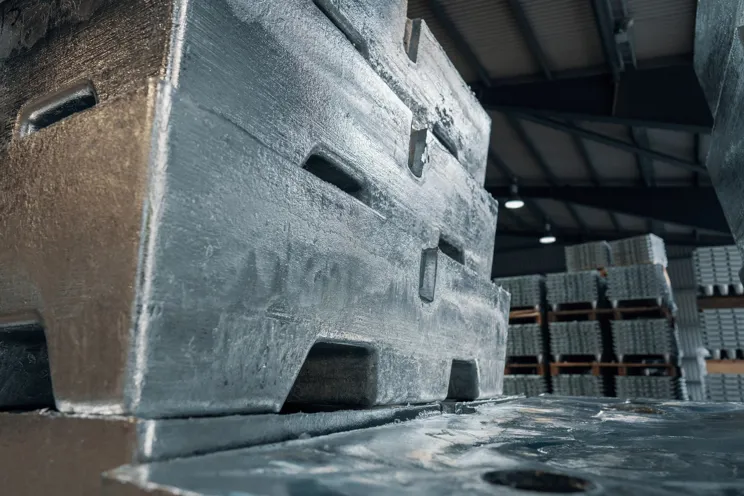
Zinkteknik, a global manufacturer of high-precision zinc die cast components is strengthening its offering by sourcing a zinc alloy based on Boliden’s Low-Carbon Zinc, a product with a documented carbon footprint of approximately 1.0 kg CO₂e per kilogram of zinc, compared with a global industry average of around 3.6 kg CO₂e.
“A great step in our ambition of minimizing emissions thoroughout the value chain. By switching to Low‑Carbon Zinc, we can reduce the climate footprint of our products and at the same time offer our customers a simpler and more credible way to meet their own sustainability requirements”, says Hannie Hansen, Sustainability Specialist at Zinkteknik.
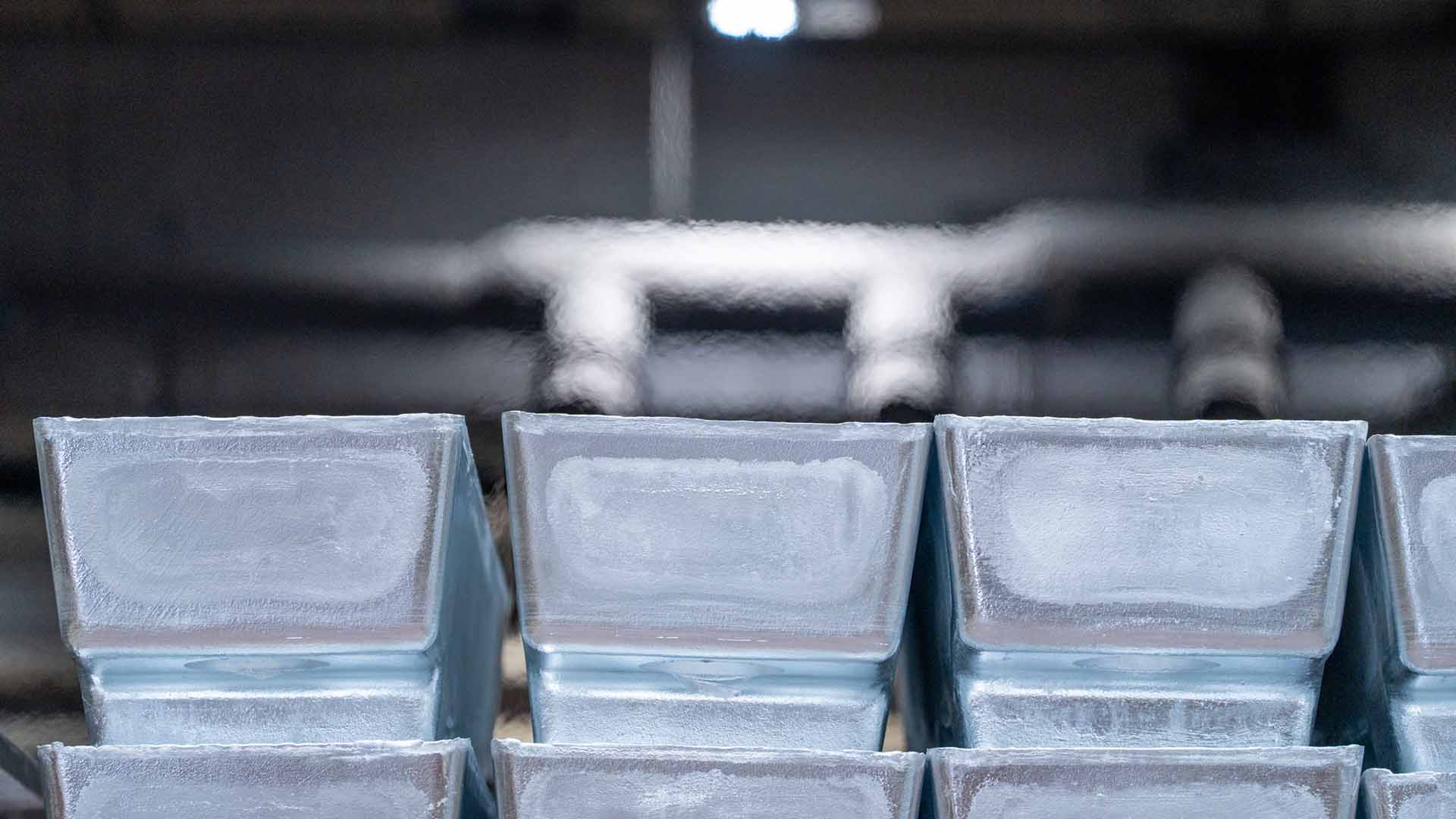
Serving industries such as automotive, electronics and industrial applications, Zinkteknik specializes in technically demanding, high-volume components and supports the development of zinc components with a lower carbon footprint. By sourcing Low‑Carbon Zinc, Zinkteknik reinforces its position as a responsible manufacturing partner.
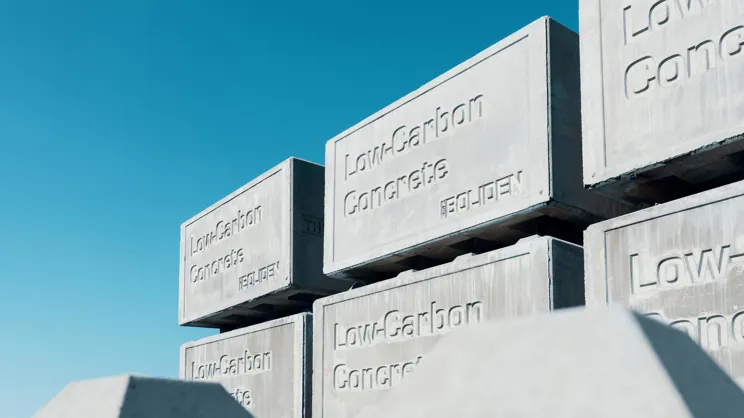
Boliden’s Low-Carbon Zinc is part of the company’s Green Transition Metals portfolio of recycled and low‑carbon metals. The products are developed with full transparency on climate impact to support customers and industries in reducing greenhouse gas emissions.
“The collaboration highlights the importance of the value‑chain perspective, where upstream, responsible, metal production enables downstream manufacturers to reduce emissions in finished products. For Zinkteknik’s customers, this means access to zinc die cast components with a lower carbon footprint. Without compromising on quality, performance, or reliability.” says Emil Wanngren, Manager Sales Zinc, Boliden.
When calculating carbon emissions, Boliden conducts a Life-Cycle Assessment, with a cradle-to-gate approach that excludes any form of credits and offsets. The Low-Carbon Zinc (SHG) product has a carbon footprint of approximately 1.0 kg CO₂e per kilogram of zinc, compared with a global industry average of around 3.6 kg CO₂e. The zinc alloy purchased by Zinkteknik has a carbon footprint of 1.4 CO₂e per kilogram of zinc, due to the admixture of alloying metals.