- Recycling
- Smelters
- Sustainability
From old electronics to new metals
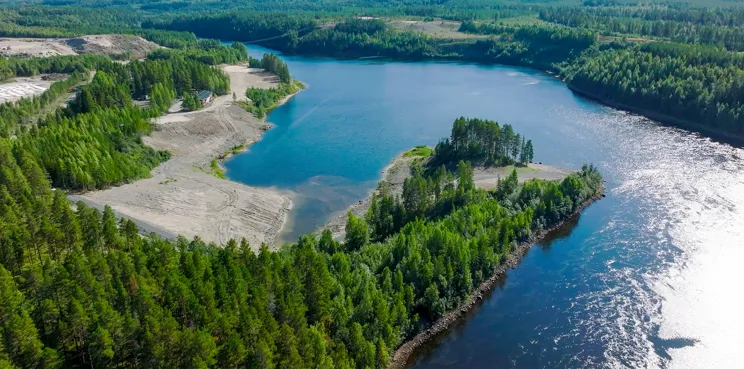
Boliden's Rönnskär copper smelter, located outside Skellefteå in northern Sweden, is one of the world's largest recyclers of metals from electronic material. In addition to recovering valuable metals such as copper, gold, and silver, the facility also recovers energy from the recycling process, generating district heating for the local community.
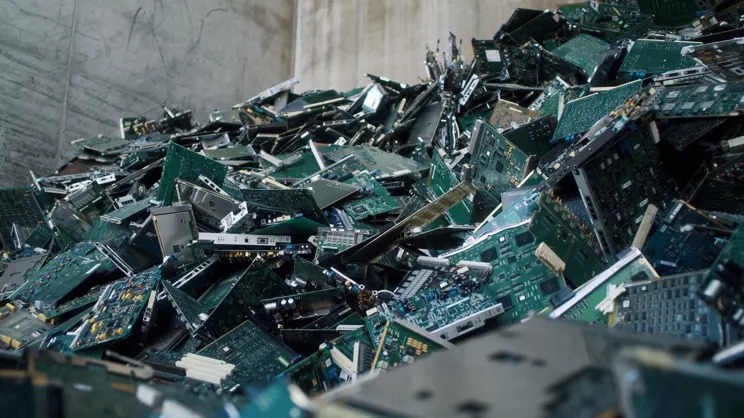
Various waste materials have been recycled at Rönnskär since the 1960s. Today, the smelter can process 120,000 tons of e-scrap annually. Examples of e-scrap include circuit boards from computers and mobile phones, which are primarily sourced within Europe.
From e-scrap to metal
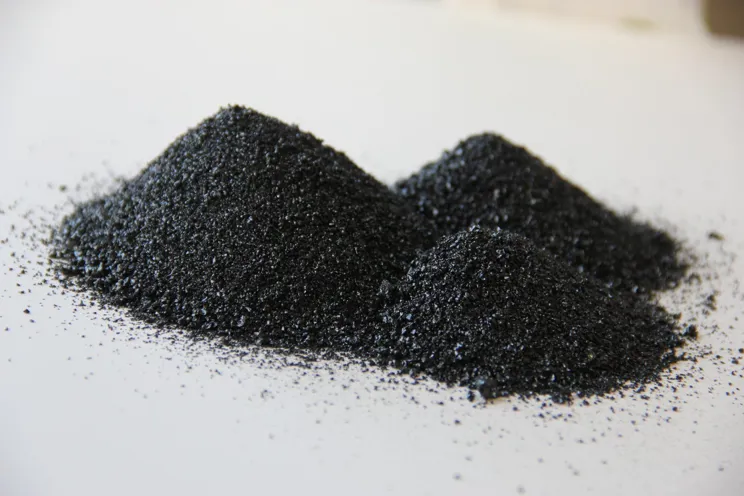
The e-scrap arrives at Rönnskär by train or truck from southern Sweden, having already been dismantled, with much of the plastic, iron, and aluminum removed. It is then sampled and shredded before being fed into a Kaldo furnace, which Boliden has specially adapted for smelting e-scrap. The furnace is a rotating cylinder that tilts during the smelting process to ensure even heat distribution. The resulting material, known as black copper, then enters the main smelting process for further refining and recovery of copper and precious metals.
Advanced purification systems
Electronic material can contain lead, cadmium, and mercury, and must be processed with care to minimize environmental impact. Rönnskär is equipped with advanced systems for cleaning process gases and discharge water. Wet gas purification uses water to remove dust particles, which are returned to the refining process. A dedicated purification stage handles mercury separately.
Following the introduction of a new environmental permit in 2015, air emissions and water discharges were reduced by at least 50 percent.
District heating from recycling
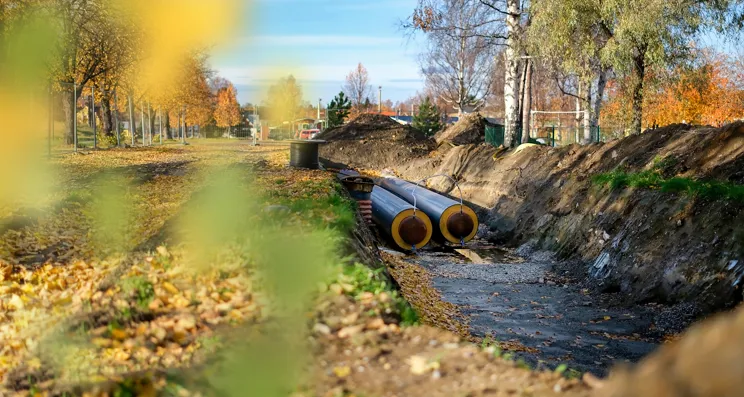
The plastic contained in electronic material melts during smelting, releasing energy that is used to generate steam. This steam is used to generate electricity and heat, which are used in the plant's own operations and supplied to the local district heating network.