
Strategic Titan in EU
Finland is currently the primary provider of nickel within the European Union. It is a critical raw material for stainless steel, advanced alloys, and lithium-ion batteries used in electric vehicles, energy storage, renewable energy technologies, and other high-tech applications. Finland holds a unique position in Europe, with a well-developed nickel value chain that spans mining, processing, refining, and the production of battery-grade chemicals. This integrated ecosystem creates significantly greater value than the export of raw materials alone.
What truly distinguishes us at Kevitsa on the global stage is our world-class environmental performance. While the global average footprint for nickel production was over 34 kg of CO2 eq per kg of nickel in 2023, refined nickel produced from Boliden’s nickel matte has a footprint of less than 5 kg of CO2 eq per kg. By providing a high-standard, low-carbon product, we want to enable the EU to reduce its reliance on markets outside of the EU.
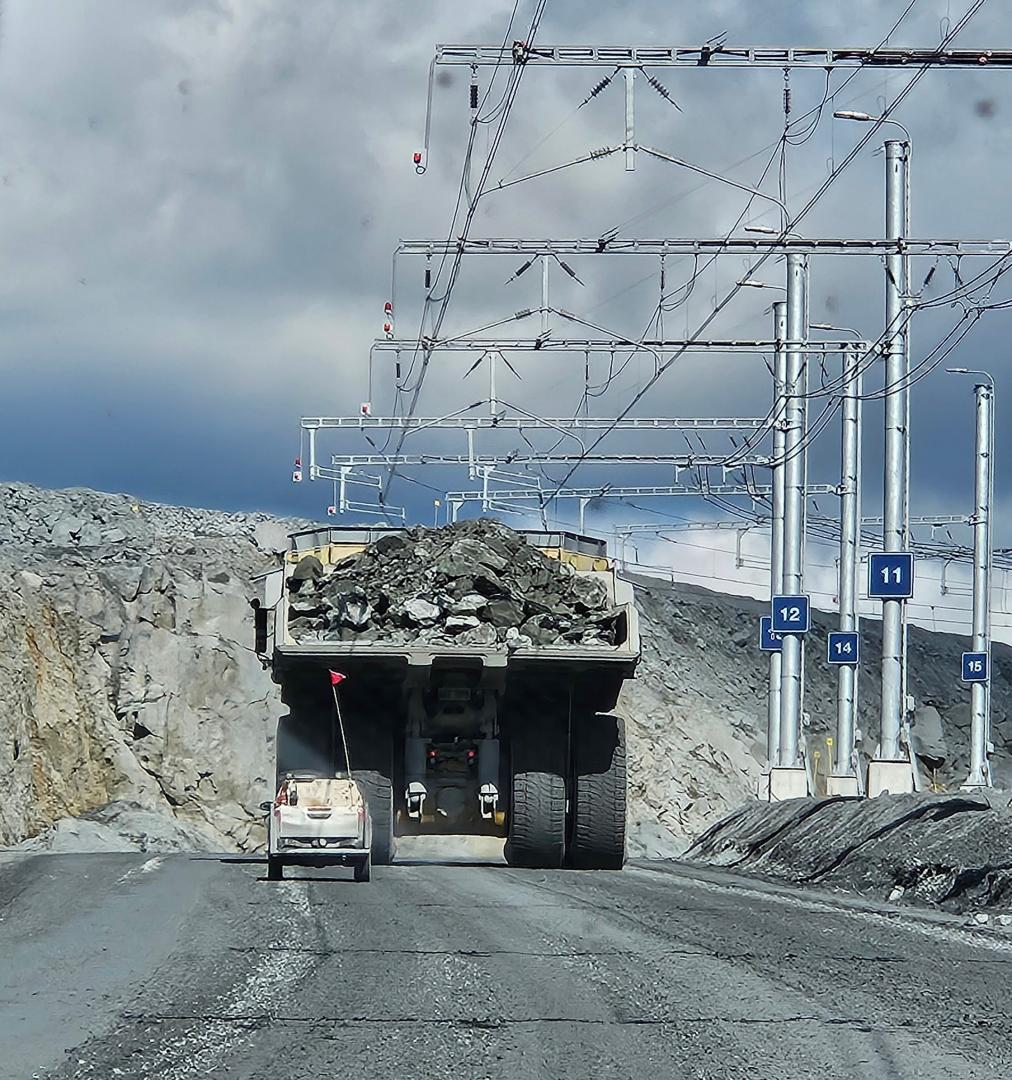
"Our operation is a key enabler for the EU to decrease its dependence on high-carbon nickel from Russia and Asia. We are not just mining ore; we are securing a responsible and transparent supply chain for the entire European continent."
— Tom Söderman General Manager at Boliden Kevitsa.
The Challenges to Competitiveness
Despite its central role in the green transition, the Finnish mining industry faces a tightening regulatory and fiscal landscape. A primary concern is the current level of mineral taxation. In Finland, the tax rate for metallic ores is set at 0.6% of the taxable value, which might seem low. But in fact, the recent sharp increase in taxes means that a lot less metal is economically possible to mine which reduces Finland´s role as a strategic supplier in Europe.
Furthermore, the implementation of the EU’s Water Framework Directive poses a significant hurdle. Recommendations to drastically lower the Environmental Quality Standards (EQS) for nickel could dramatically cut Finland’s ability to source the metal.
For Finland, reduced investment would not only affect mining projects but also downstream industries, innovation activities, and the emerging battery cluster. The broader societal impacts could include fewer jobs, lower regional economic development, reduced tax revenues, and a weakened ability to attract industrial investments linked to the green transition.
For the transition to a fossil-free future to be possible, environmental policy and environmental quality standards should be based on the best available scientific knowledge and take local Finnish environmental conditions into account. At the same time, it is important to assess the overall impacts of regulation on the operating conditions for European raw material production. However, a high level of environmental protection and the good status of water bodies should not be compromised.
