
Boliden Kevitsa is one of Finland’s largest mineral deposits producing nickel, copper, and cobalt. Like all Boliden mines, Kevitsa operates in an environment where water protection is fundamental. A primary focus of our environmental efforts has been the management of seepage water—the water that naturally filters through the tailings storage facilities (TSF).
The unique nature in Kevitsa
The geology of the area around the Kevitsa mine presents some challenges. While the groundwater formation is naturally limited by thin soil layers, the underlying bedrock contains fractures that can act as pathways for water. Historically, monitoring identified that seepage from the low-sulfur tailings pond (TSF A) was reaching the groundwater.
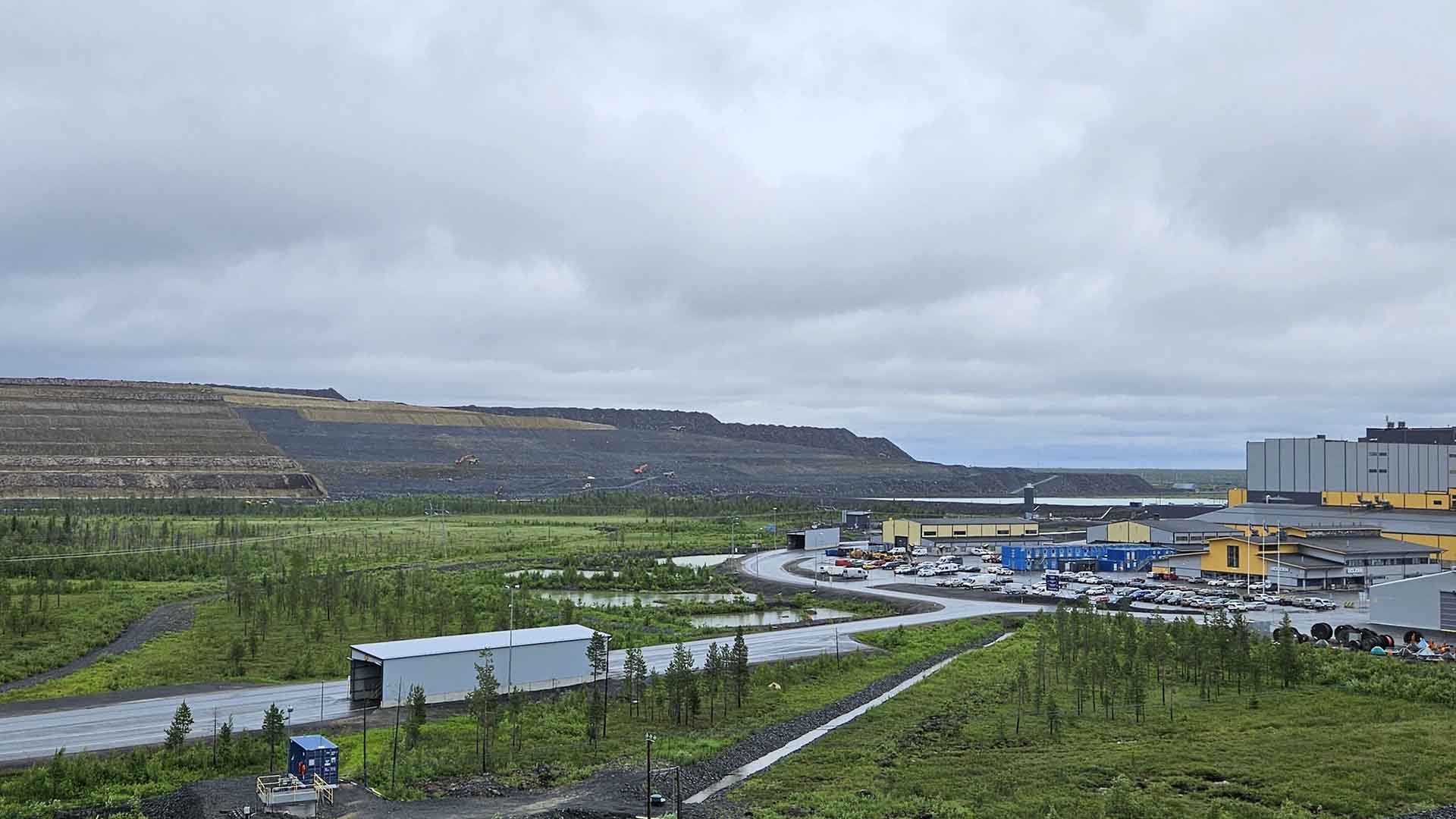
"Our goal has always been to ensure that our operations have a minimal footprint on the surrounding environment. When we identified that seepage was migrating further than intended, we didn't just monitor the situation - we engineered a solution to reverse it."
— Johanna Holm, EHSQ Director at Boliden Kevitsa.
Reversing the Flow
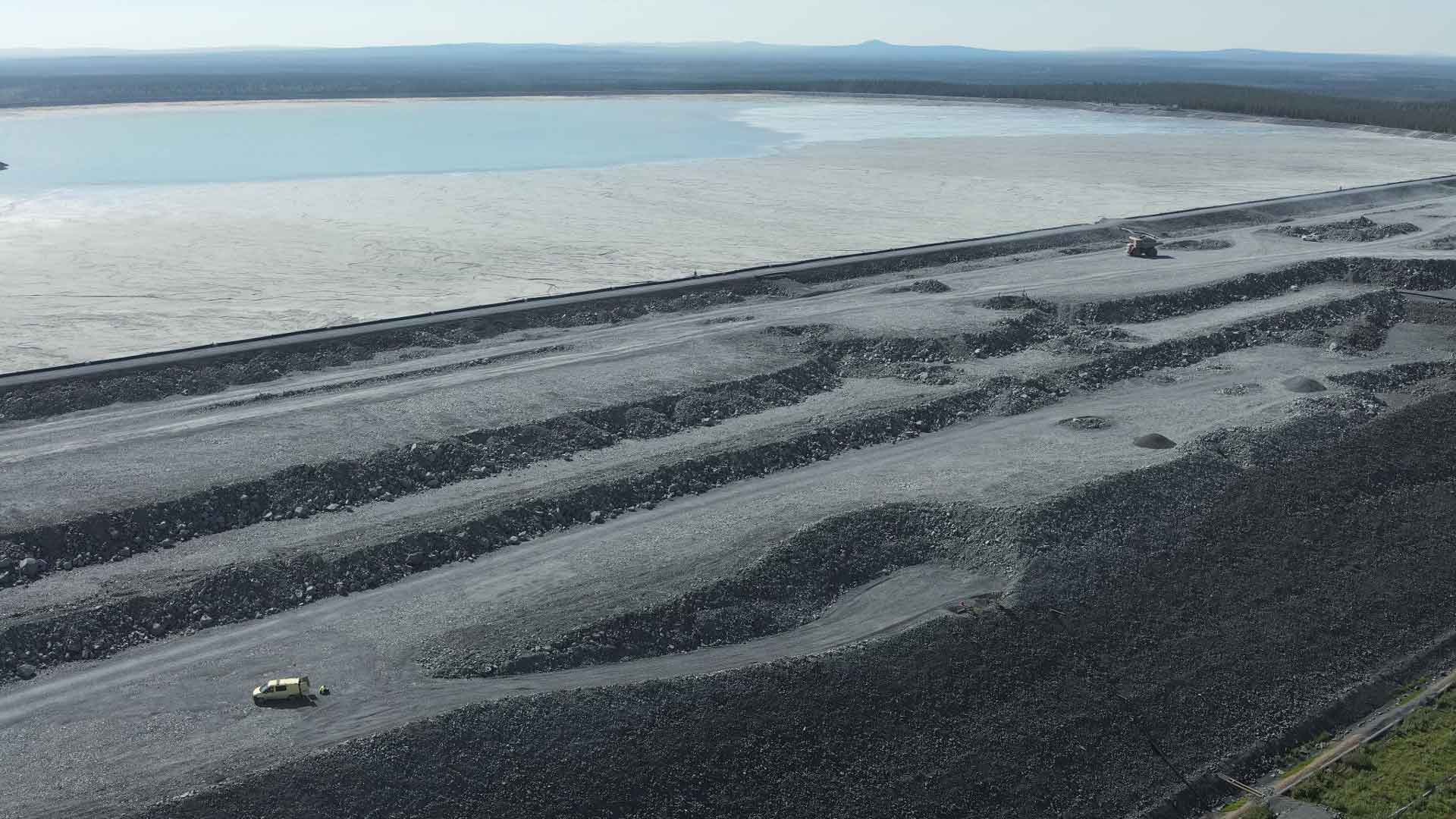
The cornerstone of our strategy is a so-called "protective pumping" system. By strategically placing pumping wells around the northwest and southwest perimeters of the tailings area, the mine creates a local depression in the groundwater level. This effectively forces the groundwater to flow back toward the wells, capturing the seepage before it can migrate away from the mine site.
The results have been highly effective. By 2024, the efficiency of these pumping systems was measured at over 100%, meaning they capture not only the seepage but also surrounding groundwater, ensuring total containment. This has protected nearby water bodies, such as Lake Saiveljärvi, where hazardous substance levels remain below environmental criteria.
The Closed-Loop Vision
At Boliden Kevitsa we operate on the principle that every drop of water that interacts with the mine is a valuable resource to be recovered. The mine's "closed-loop" system is a complex network that integrates our water sources into a central circuit for reuse in the milling process. This loop includes captured seepage from the tailings storage facilities (TSF A and B), groundwater redirected via protective pumping, and water pumped directly from the open pit (pit dewatering). Additionally, the system captures and recycles stormwater and runoff from critical industrial areas, such as the ore (ROM pad) and waste rock (WRD) storage sites.
These streams are then funneled into a central water reservoir, significantly reducing the reliance on external raw water from the Vajukoski pumping station. We are also looking toward the future; as part of planned dam heightening, Kevitsa is implementing internal gravity-based collection systems and new seepage ditches that reach down to the bedrock to further enhance capture rates and ensure the integrity of the closed-loop vision.
Verified Responsibility
The effectiveness of this integrated water management strategy was recently highlighted in a legal review regarding groundwater protection. The Finnish prosecution authorities concluded an investigation into past seepage concerns, stating that we have acted proactively to manage and contain all process-affected water. The review confirmed that the mine’s current management methods—specifically the combination of protective pumping and the systematic collection of industrial runoff—represent the Best Available Technique (BAT) for safeguarding the environment.
By treating all site water, from pit drainage to surface runoff, as a resource to be contained within a closed circuit, we are continuing to protect the ecosystem and being a mindful part of it.
